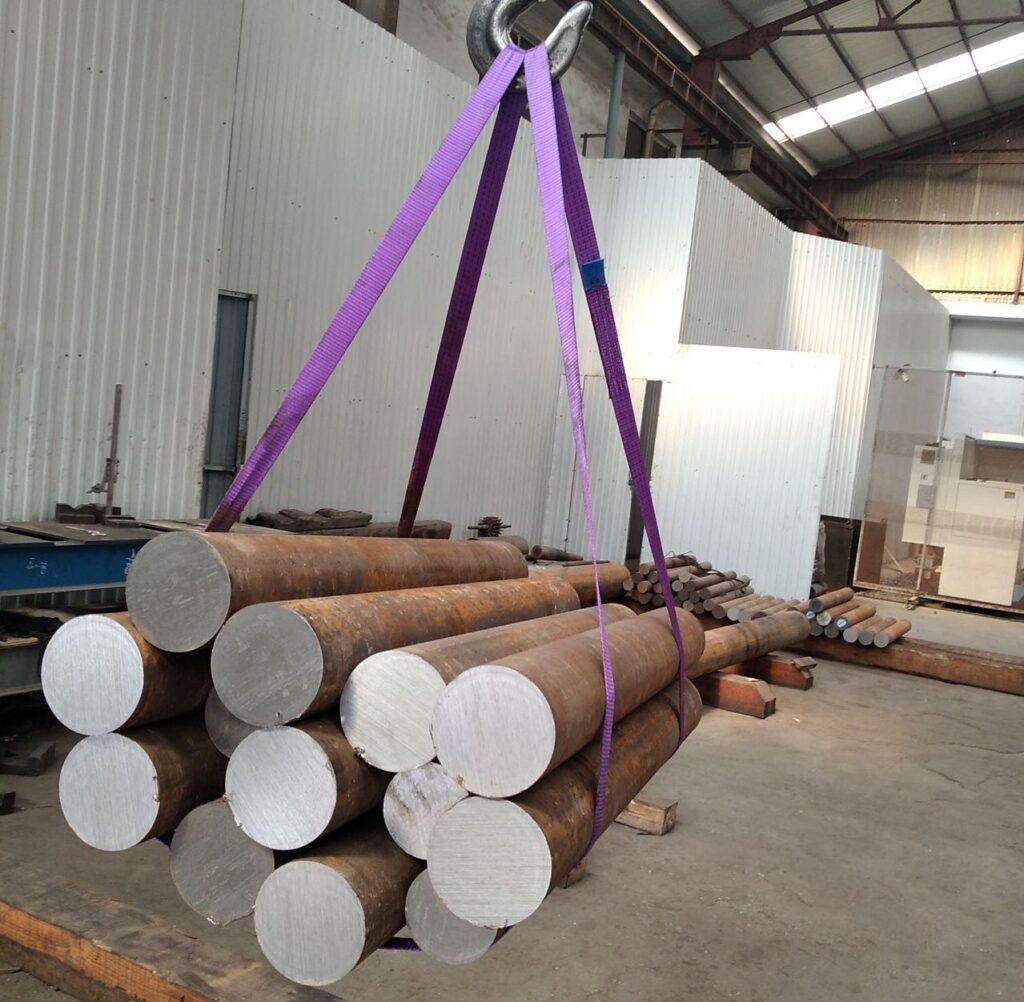
How to extend the service life of a webbing sling
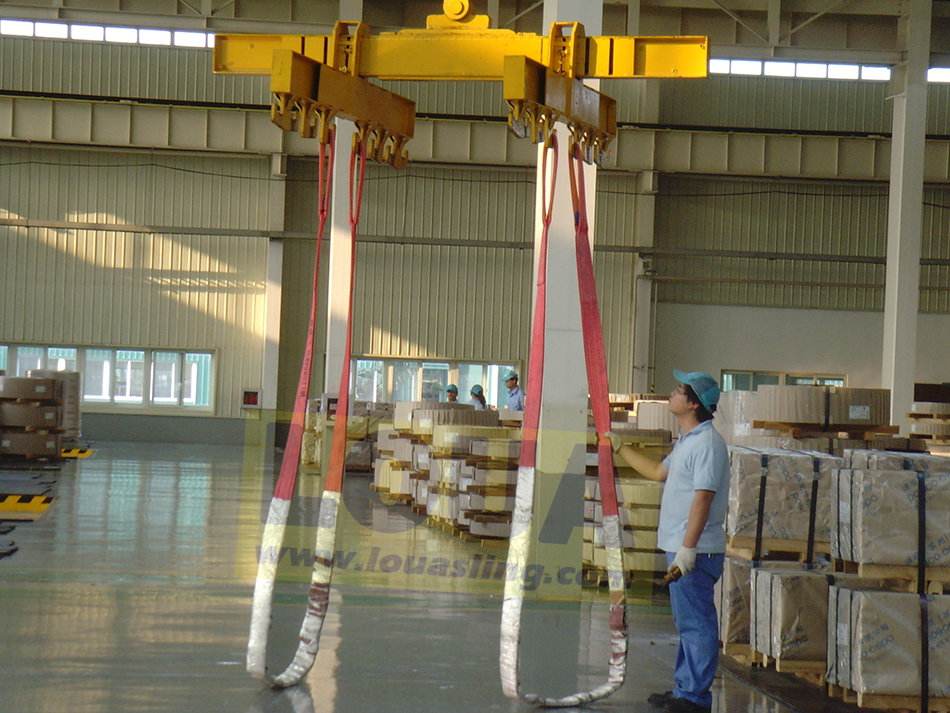
Extending the service life of a webbing slings is not just a matter of cost-effectiveness; it is a critical safety requirement in industrial operations. High-quality synthetic webbing slings are prone to abrasion, cutting, and environmental degradation. To maximize their longevity and ensure peak performance, several structural and protective enhancements can be implemented.
Here are four effective methods to extend the lifespan of your lifting slings:
1. Increasing Thickness (Multi-Layer Construction)
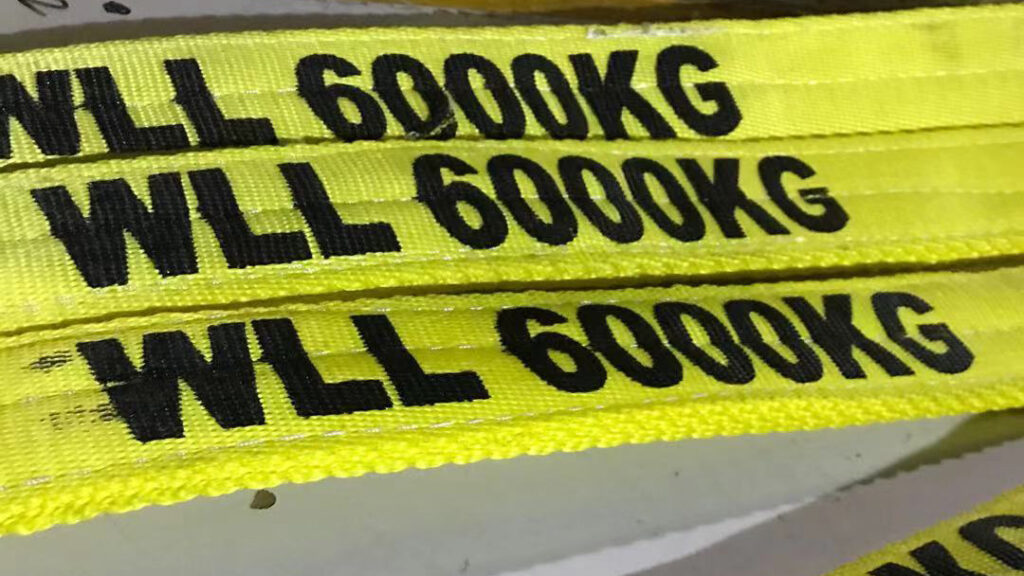
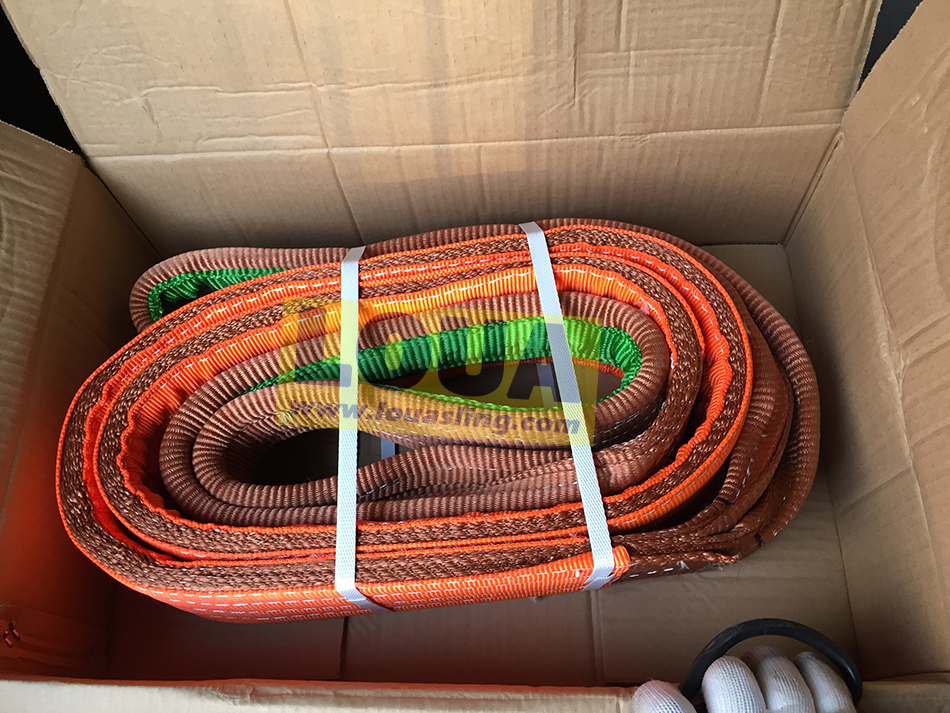
Standard slings are often dual-layered, but increasing the thickness to a four-layer construction significantly boosts durability. By adding more layers of high-tenacity polyester or nylon, the sling gains a higher safety factor and becomes more resistant to internal friction. This “heavy-duty” approach ensures that even if the outer fibers experience minor wear, the structural integrity of the inner layers remains intact for a longer period.
2. Reinforced Protective Webbing
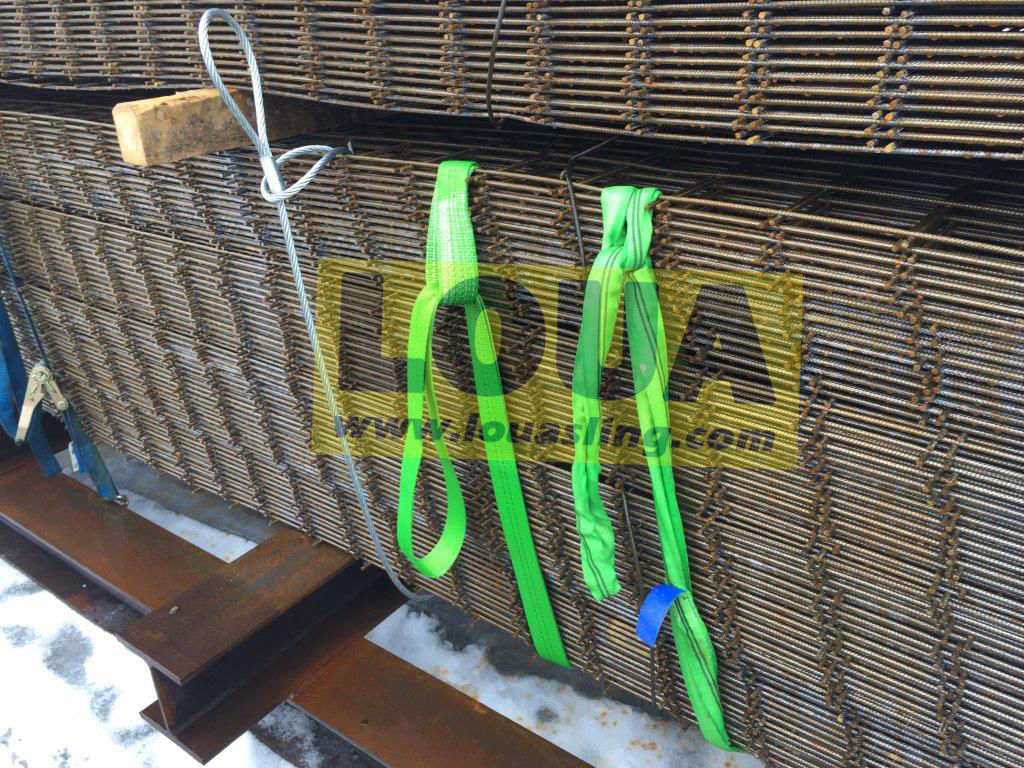
One of the most practical ways to shield a sling is to sew an additional layer of webbing onto the surface of the main body. This secondary layer acts as a “sacrificial” barrier.
- How it works: The extra webbing takes the brunt of the friction and contact stress during the lift.
- The Benefit: Since the protective layer is sewn onto the load-bearing core, the main body of the sling remains untouched by direct abrasion, effectively doubling its resistance to surface wear.
3. Utilizing Specialized Protective Sleeves and Pads
For environments where sharp edges or rough surfaces are unavoidable, dedicated lifting sling protectors are essential. These can include:
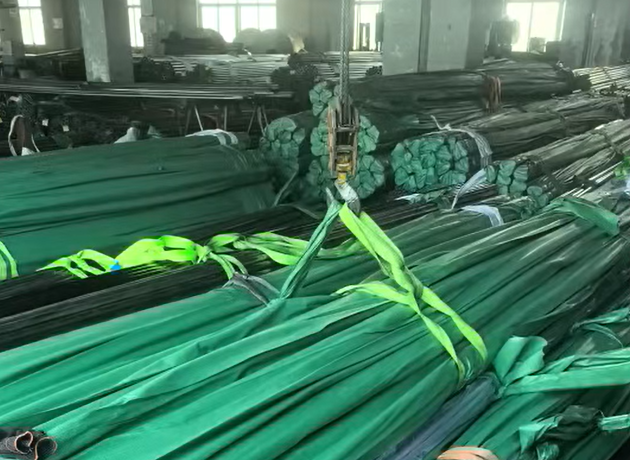
- Sliding Sleeves: Tubes of reinforced material that allow the sling to move freely inside while the sleeve stays stationary against the load.
- Corner Protectors: Buffer tools made of heavy-duty plastic or rubber placed at the pivot points of a lift.By preventing direct contact between the load’s sharp edges and the synthetic fibers, these tools eliminate the primary cause of sudden sling failure.
4. Applying PU (Polyurethane) Coating
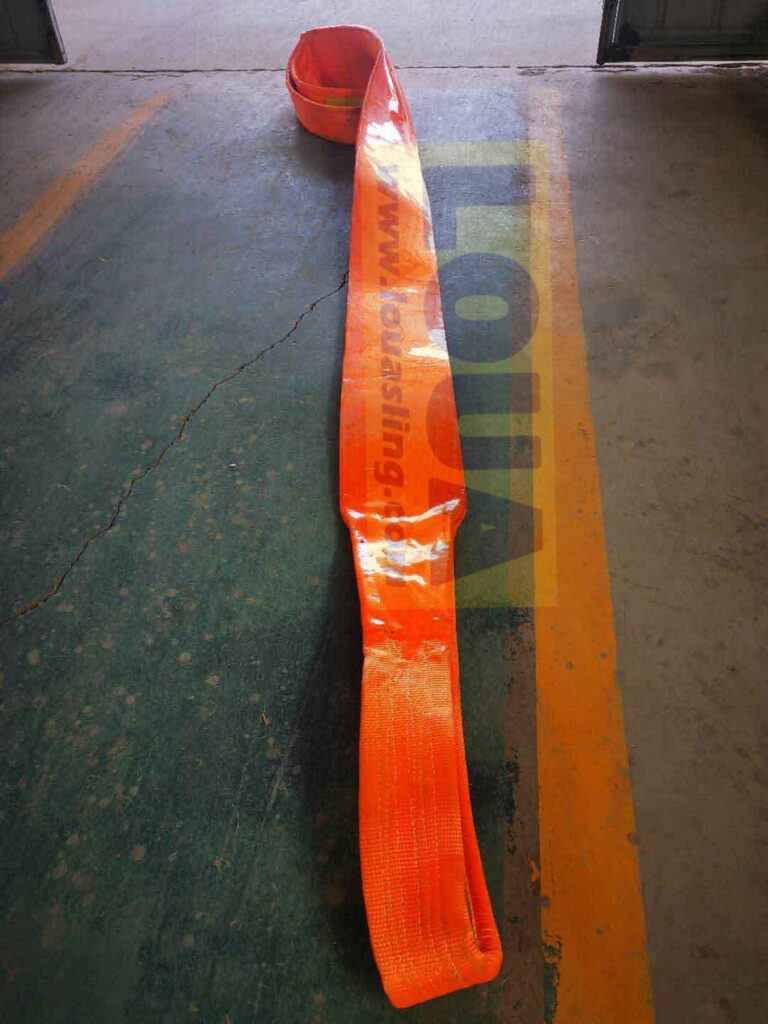
A sophisticated method to enhance a sling’s resilience is the application of a PU (Polyurethane) coating to the surface of the webbing.
- Abrasion Resistance: The coating creates a smooth, hardened shell that allows the sling to glide over surfaces without fraying.
- Environmental Protection: PU coatings seal the fibers, preventing the ingress of dirt, oil, and moisture, which can cause internal abrasion or mildew.
- Improved Grip: This treatment can also provide a better “bite” on the load, reducing the risk of slippage which often leads to friction heat and fiber damage.
Summary Table: Longevity Enhancements
| Method | Primary Benefit | Best Used For |
| 4-Layer Construction | Higher load capacity & internal strength | Heavy-duty, high-frequency lifting |
| Secondary Webbing | Surface protection | General abrasion resistance |
| Specialized Hardware | Prevents cutting | Sharp-edged loads (Steel plates, beams) |
| PU Coating | Water/Oil proofing & smoothness | Dirty environments & high-friction tasks |
By combining these methods—such as using a PU-coated, four-layer sling equipped with sliding sleeves—operators can significantly reduce replacement costs and, most importantly, maintain the highest standards of site safety.
At LOUA Sling we offer comprehensive lifting strap for steel industry and care about the service life of the webbing sling, please contact us to get more information.