Choosing Between Single Ply 1ply or Multi-Ply Endless Webbing Slings for Steel Handling?
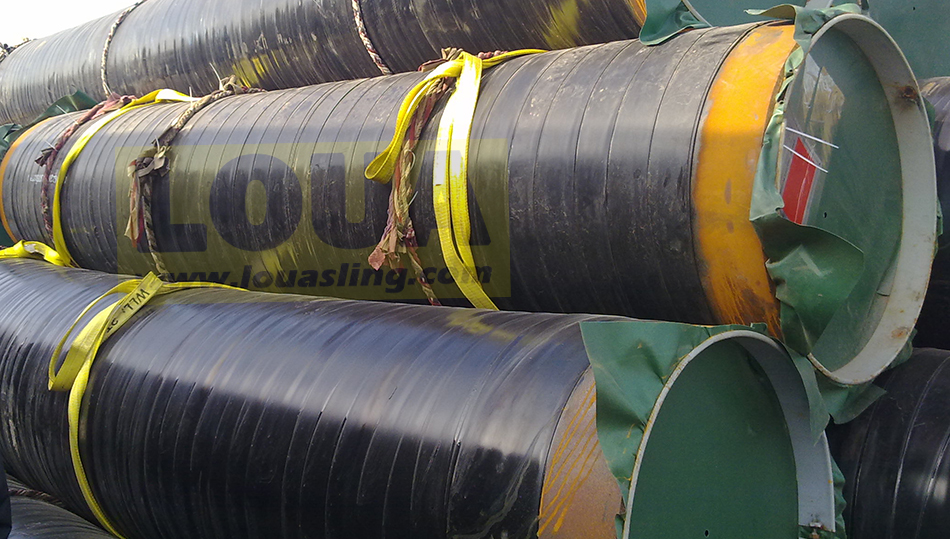
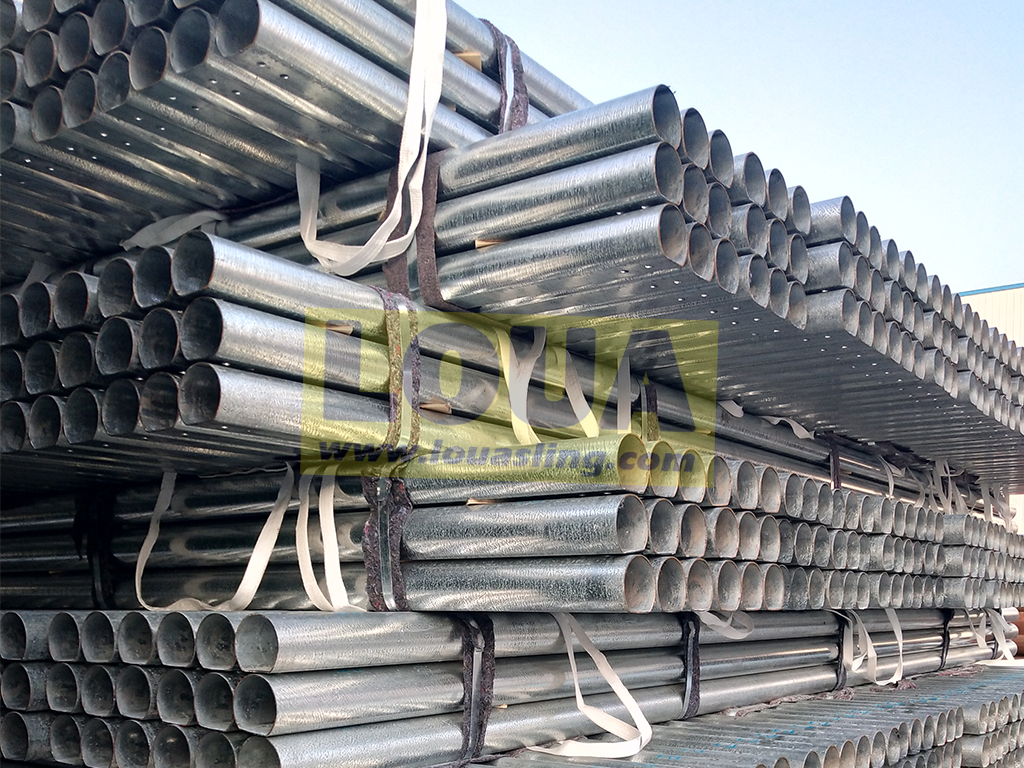
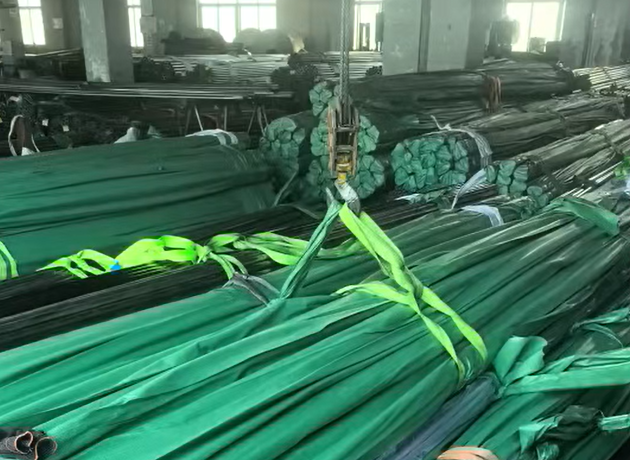
When lifting heavy steel products—such as steel pipes, square bars, or rebars—selecting the correct rigging equipment is critical for both safety and efficiency. Endless webbing slings are a popular choice because of their versatility and soft surface, which protects the load from scratches. However, deciding between Single Ply and Multi-Ply (Dual/Four Ply) versions depends on several technical and operational factors.
1. Load Capacity and Rated Strength
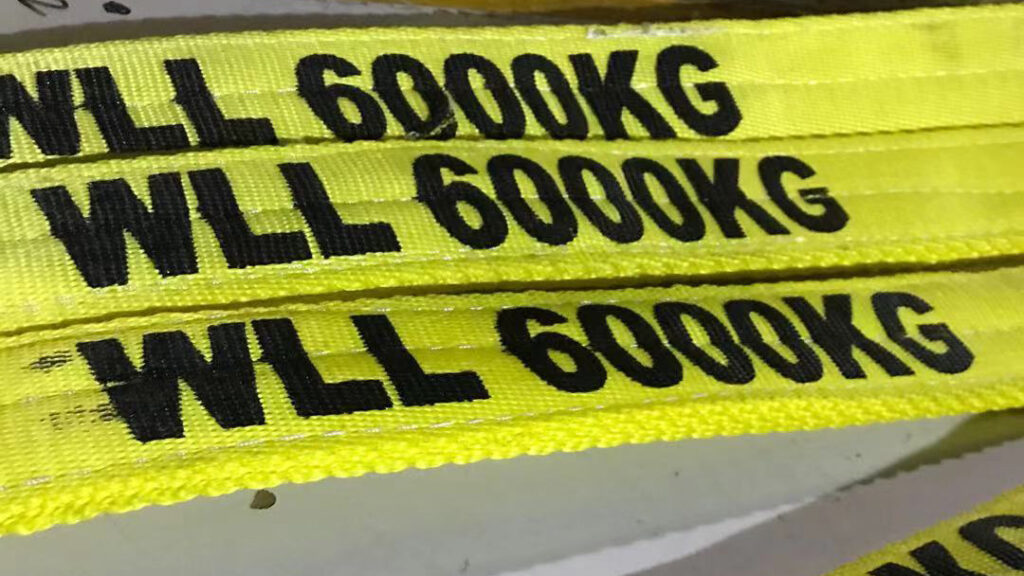
The most obvious difference is the Working Load Limit (WLL).
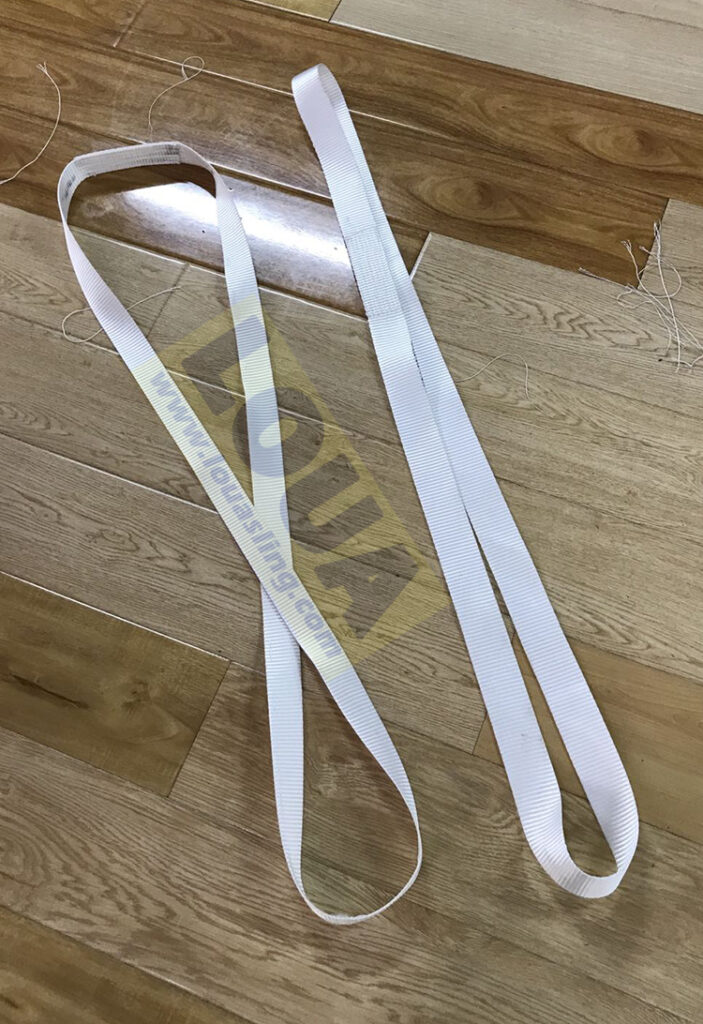
- Single Ply: Since it consists of only one layer of polyester webbing, it is thinner and has a lower load capacity. It is best suited for lighter steel bundles or individual light-gauge pipes.
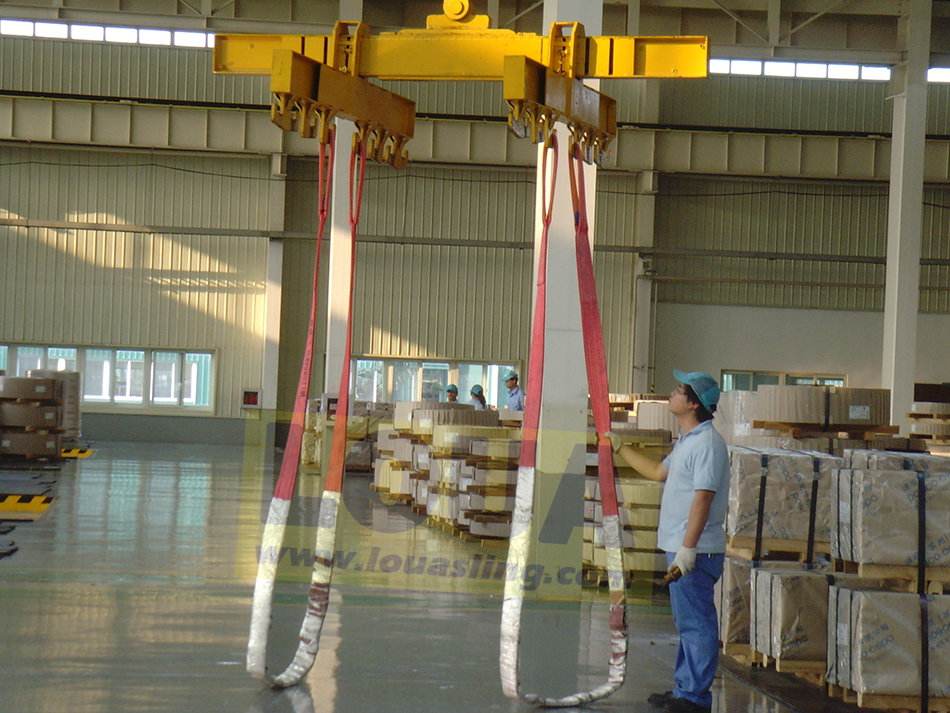
- Multi-Ply (Dual/Four Ply): By stitching two or more layers together, the sling’s strength increases significantly without a massive increase in width. When lifting heavy structural square steel or large-diameter thick-walled pipes, multi-ply slings provide the necessary safety margin.
2. Physical Profile and Flexibility
Steel shapes vary, and how a sling interacts with the “corners” of the load matters.
- Single Ply (The Flexible Choice): Because they are thinner, single-ply slings are much more flexible. This makes them ideal for the Choker Hitch (where the sling loops back through itself). If you are lifting bundles of slippery rebar, a single-ply sling can “bite” into the bundle more tightly, preventing individual bars from sliding out.
- Multi-Ply (The Rigid Choice): Dual or multi-ply slings are thicker and more rigid. While they are stronger, they do not “choke” as tightly as single-ply slings. They are better suited for Basket Hitches or vertical lifts of large, stable square steel beams where the contact surface is wide.
3. Durability and Abrasion Resistance
Steel is notoriously abrasive. Rebar has ridges, and square steel often has sharp, unfinished edges.
- Single Ply: Vulnerable to cutting. If a single-ply sling suffers a minor nick or abrasion from a sharp steel edge, its structural integrity is compromised almost immediately.
- Multi-Ply: Offers a “buffer” zone. While any cut is a reason for retirement, the extra layers provide more bulk and resistance against wear and tear. When lifting bundles of raw square steel with sharp corners, multi-ply slings—usually combined with protective sleeves—are the safer long-term investment.
Summary Comparison Table
| Feature | Single Ply Endless Sling | Multi-Ply (Dual/Four) Endless Sling |
| Best For | Light bundles, narrow spaces, rebar | Heavy pipes, large square steel, structural beams |
| Flexibility | High (Excellent for tight choker hitches) | Moderate (Better for basket/vertical hitches) |
| Weight-to-Strength | Low | High |
| Edge Sensitivity | High (Requires extra care/protection) | Moderate (Higher resistance to surface wear) |
Conclusion
As a general rule of thumb, use single-ply slings when flexibility and “grip” are your primary concerns—such as securing bundles of small-diameter pipes or rebar. Transition to multi-ply slings when the weight exceeds the capacity of single-layer webbing or when you need a more robust, durable rigging tool for heavy structural steel. Regardless of the ply, always use corner protectors when lifting steel with sharp edges to prevent catastrophic sling failure.
At Loua Sling Co.,LTD we proived single ply endless webbing sling for flexible, efficience use, as well the dual ply endless webbing sling for a robuster choice. Contact us to get a quote or visit more about us on the website.
Thanks for reading this blog.