How to Choose the Right Sling for lifting Steel Pipes and Rebars?
Lifting heavy industrial loads like steel pipes and rebars requires more than just raw power; it requires the right geometry and material to ensure both safety and efficiency. Synthetic slings have become the industry standard due to their flexibility, weight-to-strength ratio, and “soft” touch that prevents damaging the load.
However, choosing between Flat Webbing Slings and Round Slings—and their specific configurations—can be confusing. Here is a breakdown of the four primary options for your next lifting project.
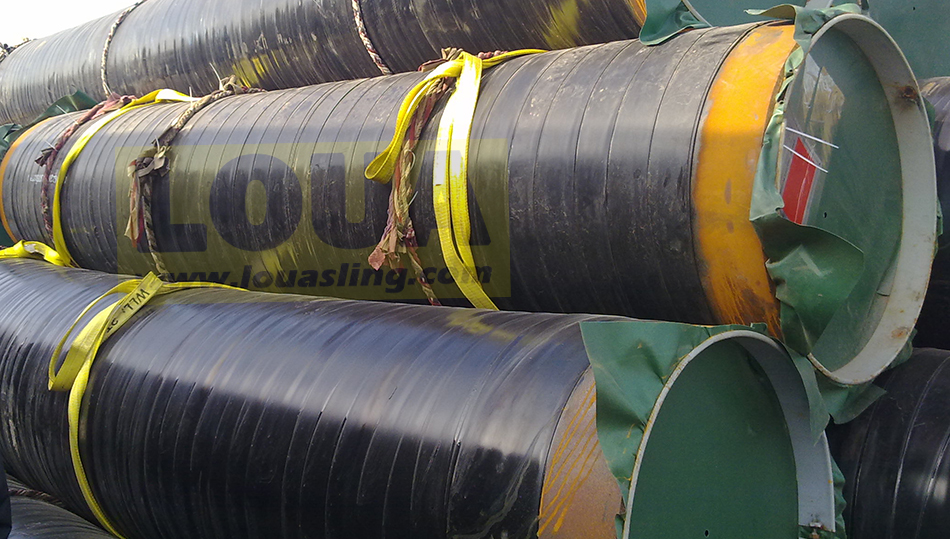
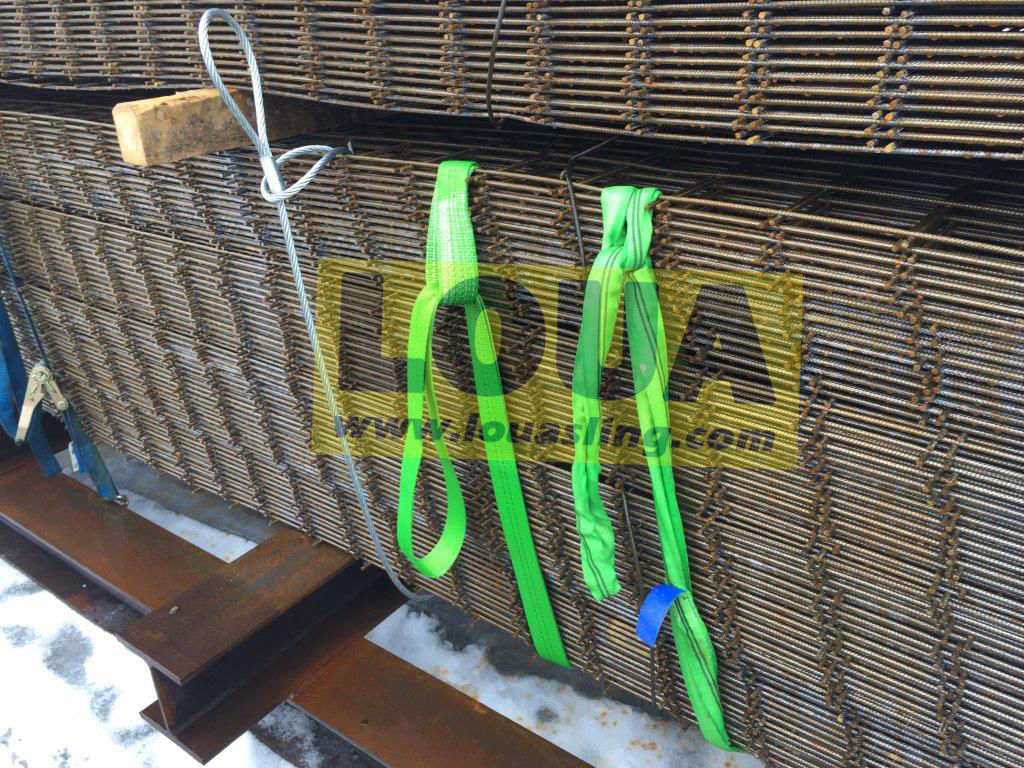
1. Double Eye Flat Webbing Sling (Eye-Eye)
The most common “all-purpose” sling. It features a flat strap with reinforced loops (eyes) at both ends.
- Best for: General lifting where the load needs a wide surface area for stability.
- Performance on Steel: Excellent for bundles of pipes where you want to minimize the “crushing” force, as the wide belt distributes pressure.
- Pro Tip: Use “sliding sleeves” or wear pads when lifting rebars, as the sharp ribs can easily cut the synthetic fibers.
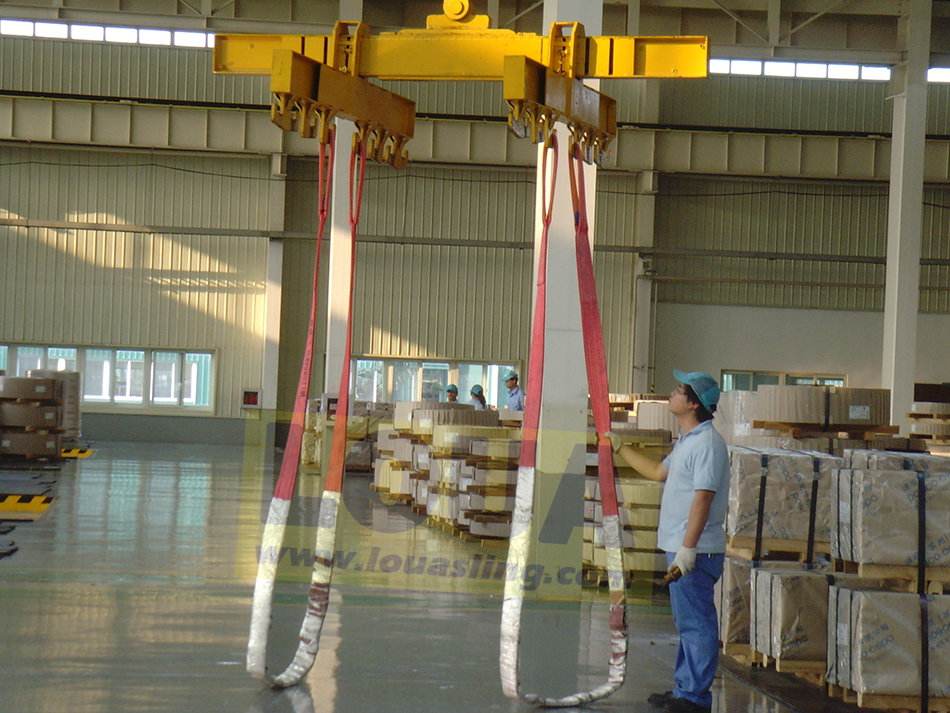
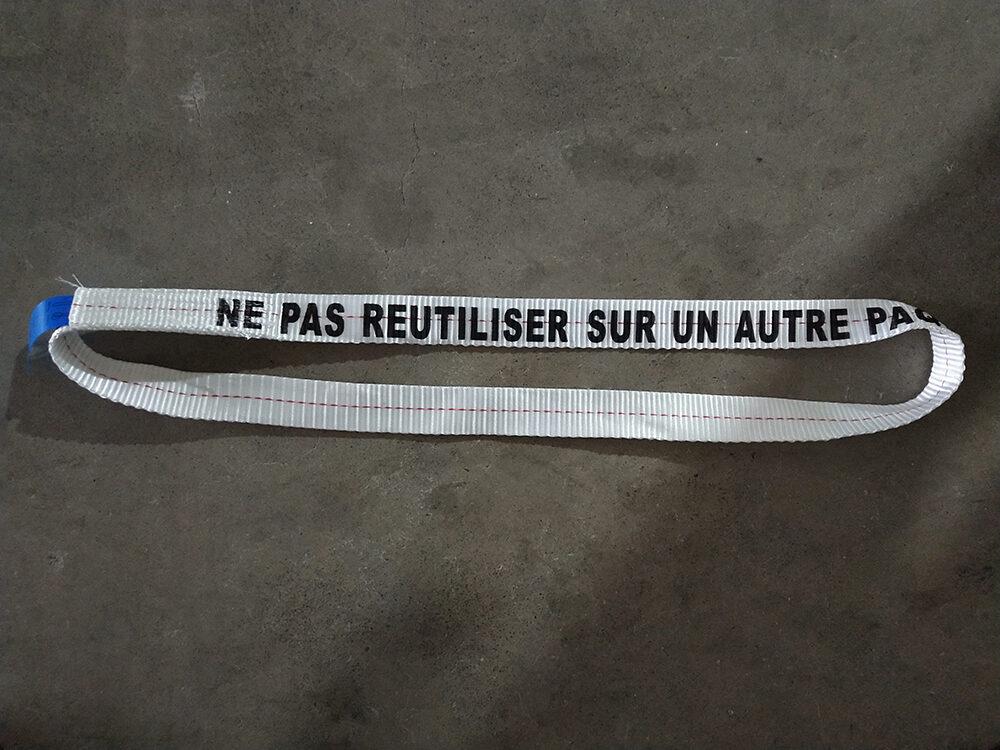
2. Endless Flat Webbing Sling
Essentially a continuous loop of flat webbing.
- Best for: Choker hitches. Because it has no fixed eyes, you can rotate the wear points throughout the sling’s life, significantly extending its durability.
- Performance on Steel: Great for long pipes. It allows the sling to “snug” tightly around the circumference of the pipe.
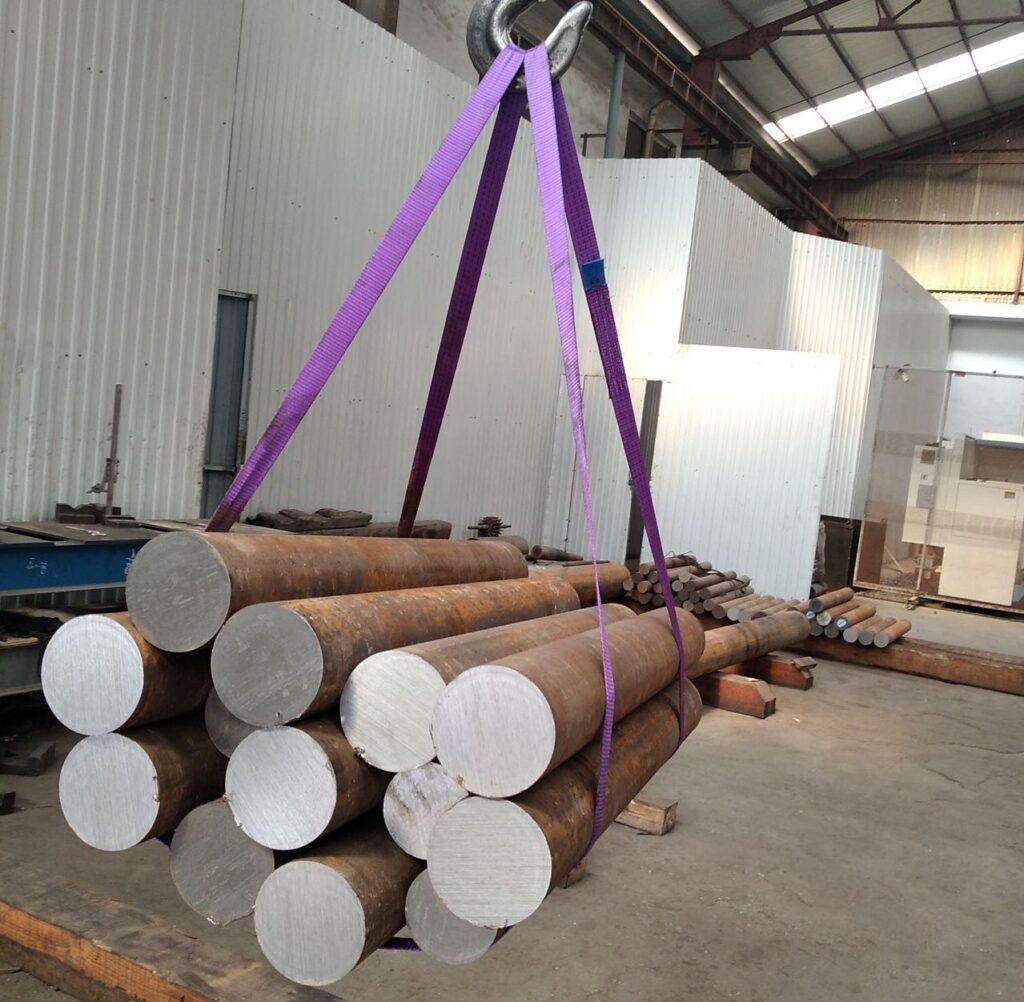
3. Endless Round Sling
Made of a core of high-tenacity polyester yarns encased in a protective tubular jacket.
- Best for: Heavy-duty, snug-fit lifting. Because the inner yarns are protected by the outer sleeve, they are less prone to UV damage and dirt.
- Performance on Steel: This is often the gold standard for steel pipes. The round shape allows it to mold perfectly to the curve of the pipe, providing maximum friction and grip to prevent the load from sliding.
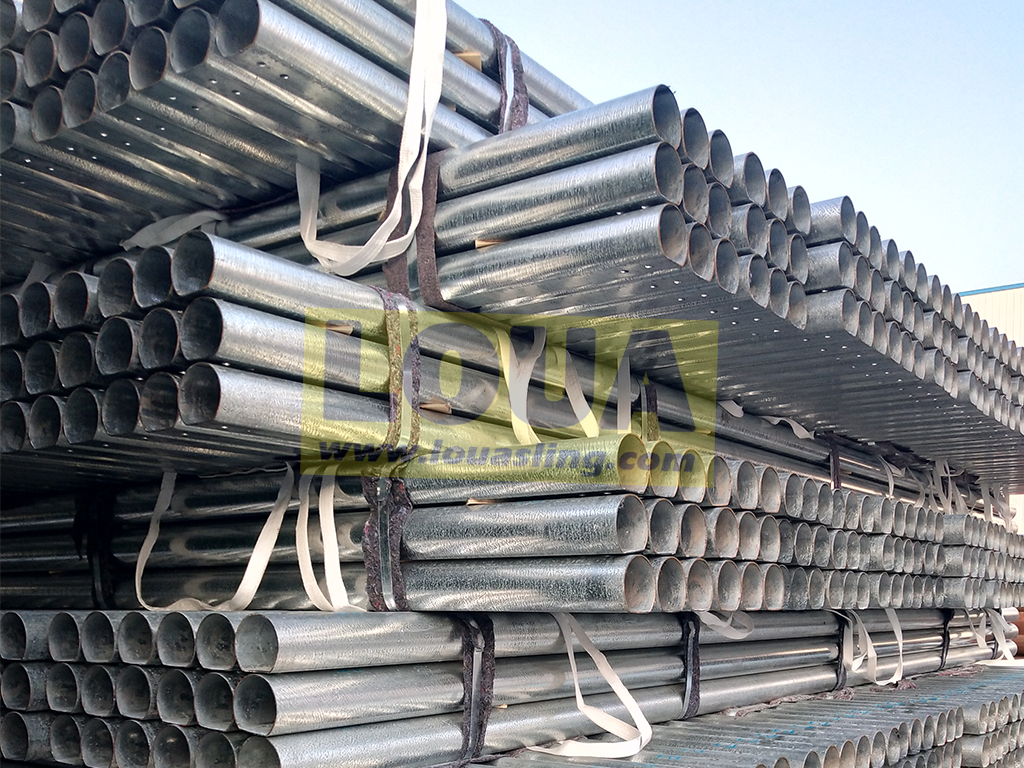
4. Eye-Eye Round Sling
Combines the strength and flexibility of a round sling with the traditional handling of eye-to-eye loops.
- Best for: Vertical lifts or when using specific crane hook attachments that require dedicated eyes.
- Performance on Steel: Offers the same high strength-to-weight ratio as the endless version but is slightly less versatile in terms of rotating wear points.
Comparison: Which One Fits Your Project?
| Feature | Flat Webbing (Eye-Eye) | Flat Webbing (Endless) | Round Sling (Endless) | Round Sling (Eye-Eye) |
| Surface Area | High (Best for stability) | High | Low (Concentrated) | Low |
| Flexibility | Good | Excellent | Superior | Very Good |
| Wear Life | Fixed wear points | Rotatable (Longest) | Rotatable (Longest) | Fixed wear points |
| Load Grip | Good | Better | Best (Molds to pipe) | Best (Molds to pipe) |
| Ideal Load | Rebar Bundles | Single Heavy Pipes | Smooth/Coated Pipes | Heavy Machinery |
Critical Safety Note for Steel Lifting
When lifting rebars, the sharp, protruding ribs act like serrated knives. Regardless of the sling you choose:
- Always use corner protectors or cut-resistant sleeves.
- Calculate the Angle: Ensure the horizontal angle of the sling doesn’t exceed safety limits (ideally keep it above 60°).
- Check for Snags: Rebars have a tendency to “bite” into the webbing. Inspect your slings for “fuzzing” or nicks after every shift.
At Loua Sling CO.,LTD, We provide the comprehensive type of the polyester lifting sling for steel industry, such as eye-eye flat webbing sling, endless webbing sling, endless round sling, eye-eye round sling Our products comply with European standards and American standards. We also accept customized solutions as requested by our clients. ensure it’s a choice of durable, cost-effective.
Please feel free to contact us for a detailed discussion anytime when you need.